Skip to content
Custom wood cabinets are built to last for decades, but proper cabinet maintenance plays a major role in protecting their appearance and finish.
Fortunately, cabinet care does not require expensive specialty products or complicated routines. Consistent cleaning, quick attention to moisture, and avoiding harsh chemicals can help protect your investment for years.
This guide explains how to care for kitchen cabinets and other custom wood cabinetry, including daily cleaning, deep cleaning, finish protection, hardware maintenance, and signs you may need professional repairs.
Quick Cabinet Care Guide
| Maintenance Task | How Often | What to Do |
| Wipe spills and splashes | Immediately | Use a soft cloth and dry the area thoroughly |
| Routine cleaning | Weekly or as needed | Mild dish soap, warm water, and a microfiber cloth |
| Remove grease buildup | As needed | Clean gently with mild soap before buildup becomes heavy |
| Clean cabinet interiors | Every few months | Remove items, wipe surfaces, and dry completely |
| Check hinges and hardware | Every 6–12 months | Tighten loose screws and check door alignment |
| Inspect the finish | Annually | Look for dull spots, cracking, peeling, or water damage |
Why Cabinet Finish Protection Matters
A custom cabinet finish does more than create color and sheen. It protects the underlying wood from:
- Moisture and humidity
- Cooking grease
- Household cleaners
- Everyday handling
- Minor scratches and abrasion
- UV exposure
Once a finish begins to fail, moisture and contaminants can reach the wood underneath. That can lead to staining, swelling, discoloration, and more expensive repairs.
At South Shore Custom Cabinets, finishes may include durable conversion varnish, waterborne polyurethane, or hand-rubbed oil finishes depending on the project. Each finish has different characteristics, so knowing what type of finish is on your cabinetry can help you choose the right maintenance routine.
Common Signs of Finish Wear
Watch for:
- Dull areas around knobs and pulls
- Loss of sheen near frequently used doors
- Sticky or greasy surfaces
- Discoloration around sinks or appliances
- Cracking or peeling
- Darkened or swollen wood
Regular cabinet care and maintenance can slow this wear and help identify problems before they become permanent.
How to Care For Wood Cabinets Safely
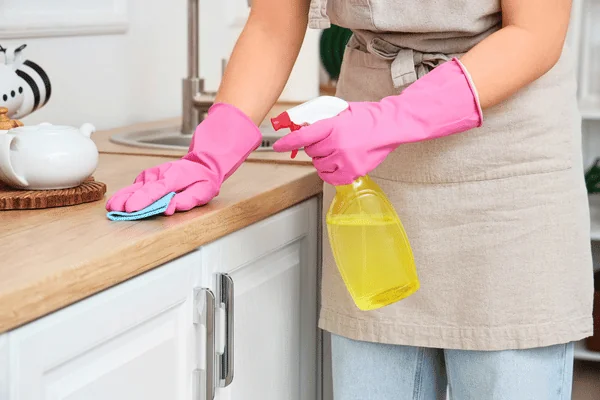
For most finished wood cabinets, the safest everyday cleaning method is simple.
What You’ll Need
- Soft microfiber cloth
- Warm water
- A few drops of mild dish soap
- A clean, dry cloth
How to Clean Your Cabinets
- Mix a few drops of mild dish soap into warm water.
- Lightly dampen a microfiber cloth—do not soak it.
- Gently wipe cabinet doors, drawer fronts, and face frames.
- Follow the direction of the wood grain when possible.
- Dry the surface immediately with a clean cloth.
The most important rule for caring for wood cabinets is simple: never let water sit on the surface.
This is especially important around sinks, dishwashers, and other areas exposed to regular moisture.
Clean These Areas Regularly
Kitchen cabinets can collect a thin layer of grease and dust even when they look clean. Include these areas in your routine:
- Door fronts
- Drawer faces
- Cabinet handles and pulls
- Face frames
- Areas around the stove
- Cabinets near the sink
Regular light cleaning prevents grease from becoming difficult to remove later.

What Should You Avoid Using on Wood Cabinets?
Many cabinet finishes are damaged by cleaning products, not everyday use.
Avoid:
- Ammonia or bleach-based cleaners
- Abrasive scrubbing pads
- Powdered cleansers
- Steam cleaners
- Silicone-based furniture sprays
- Strong acidic cleaners, including vinegar and citrus products
These products can scratch, dull, discolor, or gradually break down the finish.
What About Murphy’s Oil Soap?
Murphy’s Oil Soap is generally safe for finished wood when properly diluted and used occasionally. However, repeated use may leave residue on some high-performance cabinet finishes.
For routine cabinet maintenance, mild dish soap and water are usually the simplest and most reliable choice.
How to Remove Grease and Grime From Kitchen Cabinets
Heavy grease buildup takes patience, not aggressive cleaning products.
Start with warm water and mild dish soap applied with a soft microfiber cloth. Work in small sections and clean gently.
For stubborn buildup:
- Apply the mild soap solution first.
- Let the damp cloth sit briefly on the affected area.
- Wipe gently without aggressive scrubbing.
- Rinse the area with a clean, lightly damp cloth.
- Dry thoroughly.
If buildup is severe or the finish is already damaged, avoid increasingly aggressive DIY methods. A professional can recommend the safest solution for your specific cabinet finish.
Cleaning Cabinet Interiors
Cabinet interiors also need periodic attention.
- Remove stored items.
- Wipe crumbs and debris from corners.
- Clean spills with a lightly damp cloth.
- Dry surfaces completely before replacing items.
- Occasionally remove adjustable shelves to clean underneath them.
Cleaning spills promptly helps prevent stains, odors, and moisture damage.
Long-Term Cabinet Maintenance and Finish Protection
Cleaning removes dirt and grease, but protecting your cabinets also means controlling the conditions that cause damage.
Control Moisture and Heat
The highest-risk areas are usually near the sink, dishwasher, and stove.
Follow these habits:
- Wipe up water splashes immediately.
- Avoid leaving wet towels against cabinet doors.
- Use your kitchen exhaust fan while cooking.
- Reduce prolonged steam exposure near cabinetry.
- Keep heat-producing appliances away from cabinet surfaces when possible.
Consistent moisture exposure can eventually cause finish failure, swelling, or damage to cabinet components.
Protect Cabinets From Sunlight
Direct sunlight can gradually change the appearance of wood and painted finishes.
Homes with large south- or west-facing windows may benefit from:
- UV-filtering window film
- Window treatments
- Shades or blinds during periods of intense sunlight
This can help reduce fading and uneven color changes over time.
Should You Use Cabinet Polish or Wax?
Some cabinet finishes may benefit from an occasional manufacturer-approved polish or protective product. However, avoid silicone-based sprays because they can leave residue and complicate future refinishing.
Before applying wax or polish, confirm that the product is appropriate for your cabinet’s specific finish. Oil-finished cabinetry, for example, may require a different maintenance approach than conversion varnish or polyurethane.

Cabinet Hardware Care and Adjustment
Cabinet maintenance is not limited to wood surfaces. Hinges, drawer slides, knobs, and pulls also need occasional attention.
Cleaning Hardware
Wipe most hardware with a damp cloth, then dry it.
Avoid spraying cleaner directly onto hardware because overspray can reach the surrounding wood finish.
Specialty metal cleaners may be appropriate for certain finishes, such as unlacquered brass, but always protect the surrounding cabinetry.
Hinges and Drawer Slides
Modern concealed hinges can often be adjusted when cabinet doors begin to:
- Hang unevenly
- Rub against another door
- Sit too high or too low
- Develop uneven gaps
In older Greater Boston homes, natural settling can affect cabinet alignment over time.
Minor adjustments can often restore proper operation. However, loose hardware that will not tighten or damaged drawer components may require professional repair.
When Should You Call a Cabinet Professional?
Routine cleaning can solve many cosmetic issues, but some problems require professional attention.
Signs You May Need Refinishing
Contact a professional if you notice:
- Finish worn completely through
- Cracking or peeling
- Significant water damage
- Darkened or swollen wood
- Extensive discoloration
- Damage affecting multiple cabinet surfaces
Professional refinishing may restore the appearance of existing cabinets without requiring complete replacement.
Structural Problems to Watch For
You should also have these issues inspected:
- Hinges that will not stay secure
- Drawer boxes separating at the joints
- Cabinet components pulling apart
- Persistent swelling from moisture exposure
- Doors or drawers that cannot be properly adjusted
Addressing these problems early can prevent more extensive repairs later.
The Value of Working With a Local Custom Cabinet Company
Choosing a local custom cabinet company offers advantages that go beyond convenience. Local professionals understand the design preferences, home styles, and renovation trends shaping kitchens throughout Greater Boston and the South Shore.
Here is what sets Custom Cabinets of South Shore apart from the impersonal big names out there today.
- Our team of skilled and experienced professionals has established relationships with regional suppliers and workers.
- Our goal with every design and installation project is to help homeowners access quality materials while navigating availability and lead times more effectively.
- Just as importantly, we invest in the community we serve because we live and work here too.
Your project is not simply another project to complete and check off the list—it is work completed in the same neighborhoods where we live and where we build our reputation. From understanding the character of older New England homes to staying current with modern kitchen design trends, our local expertise can make the planning and installation process more personal, practical, and responsive.
Protect Your Custom Cabinets for Years to Come
Proper cabinet maintenance comes down to consistency:
- Clean gently and regularly.
- Wipe moisture immediately.
- Avoid harsh chemicals and abrasives.
- Prevent heavy grease buildup.
- Inspect hardware and finishes periodically.
- Address water damage or finish failure early.
Custom cabinets are designed to last for decades, and the right care helps preserve both their beauty and performance.
If you have questions about maintaining existing cabinetry, need a repair or finish evaluation, or are planning a new custom cabinet project, South Shore Custom Cabinets can help.
We serve homeowners and businesses throughout Greater Boston, including Quincy, Boston, Brookline, Cambridge, Newton, Wellesley, Needham, Milton, and surrounding communities. Contact us to schedule a consultation or request a quote for custom cabinetry and woodworking services.

Frequently Asked Questions
How do I properly maintain custom wood cabinets?
Proper cabinet maintenance includes regular cleaning with a soft cloth, mild dish soap, and minimal water. Always dry surfaces immediately, clean spills quickly, and avoid abrasive or harsh chemical cleaners. Periodically inspect hinges, drawer slides, and the cabinet finish for signs of wear or damage.
How do you clean wood cabinets and make them shine?
Start by removing grease and dust with a soft microfiber cloth and a mild dish soap solution. Dry the cabinets thoroughly afterward. Avoid abrasive cleaners or silicone sprays, which can dull the finish or leave residue. For additional shine, use only a product approved for your cabinet’s specific finish.
Is Murphy’s Oil Soap good for cleaning wood cabinets?
You can use Murphy’s Oil Soap occasionally on finished wood when properly diluted, but repeated use may leave residue. For routine cleaning, mild dish soap and warm water are often the simplest choice for finished custom cabinets.
How do you remove years of grime from kitchen cabinets?
Start with warm water, mild dish soap, and a soft microfiber cloth. Work in small sections and avoid aggressive scrubbing. Severe buildup may require professional advice, especially if the cabinet finish is already dull, damaged, or beginning to fail.
How do I refresh cabinets without replacing them?
If the finish is intact, deep cleaning and updated hardware can significantly improve the appearance of existing cabinets. When the finish is worn, cracked, or peeling, professional refinishing may restore the cabinetry without the cost of a complete replacement.
How long should custom wood cabinets last?
High-quality custom cabinets can last for decades. Their lifespan depends on construction quality, materials, finish durability, moisture exposure, and ongoing cabinet care. Regular maintenance helps protect the finish and lets you address small issues before they become major repairs.
Read Also: Kitchen Cabinet Replacement Cost in Cambridge: 2026 Price Breakdown