Skip to content
When homeowners shop for kitchen cabinets, style often takes center stage, but the specific cabinet features you choose determine how well your space functions and how long it lasts. From the construction of the box to the hardware hidden in the drawers, the right details protect your investment and improve everyday usability.
High-quality kitchen cabinetry reduces wear, prevents common failures like sagging shelves, and helps your kitchen age gracefully. Understanding what to prioritize allows you to choose cabinets that deliver real value, not just short-term visual appeal.
Why Kitchen Cabinet Features Matter More Than Style Alone
Trendy kitchen cabinetry finishes and door styles can be updated with a coat of paint or new hardware, but the core structural features are much harder (and more expensive) to change. Elements like box materials, drawer joinery, and slide quality directly affect how your kitchen feels during your morning routine.

Must-have features like soft-close hardware and adjustable shelving aren’t just luxury add-ons. They are practical upgrades that prevent the “clatter and bang” of a busy kitchen, ensuring your cabinetry remains functional long after design trends shift.
Cabinet Box Construction: The Foundation of Quality
The cabinet box is the structural core of a kitchen. If the box twists, sags, or swells, doors stop aligning and drawers bind over time. No amount of upgraded hardware or door styling can compensate for a weak box.
Quality cabinet boxes are built from stable materials like plywood or furniture-grade engineered panels, not thin particleboard that breaks down with moisture. Solid back panels, reinforced corners, and full-height sides help kitchen cabinets stay square after installation. Proper joinery and consistent panel thickness also matter, especially in kitchens where humidity and daily use put constant stress on the structure.
A well-built cabinet box provides a stable base for doors, drawers, and countertops, helping the entire kitchen perform as intended for years, not just on install day.
Plywood Cabinet Boxes
Plywood is widely considered the gold standard for quality kitchen cabinetry construction. Its layered composition provides excellent strength, moisture resistance, and “screw-holding” capability. Plywood boxes resist warping over time and handle the weight of heavy granite or quartz countertops better than cheaper alternatives.
Particleboard Cabinet Boxes
Particleboard is often found in entry-level cabinets. While it provides a smooth surface for laminates, it is highly vulnerable to moisture. In a kitchen where leaks under the sink are a matter of “when,” not “if,” particleboard can swell and crumble, making it a lower-value choice for long-term homeowners.
Frameless Cabinets
Frameless (European-style) cabinets eliminate the front face frame, allowing for full access to the cabinet interior. This design maximizes storage space and supports a clean, modern aesthetic. Because frameless kitchen cabinets rely heavily on box strength, they require precise construction and high-quality materials to perform well.
Face-Frame Cabinets
Face-frame kitchen cabinets feature a solid wood frame attached to the front of the box, adding rigidity and a more traditional appearance. They’re forgiving during installation and offer excellent durability, especially in older homes where walls may not be perfectly square.
Drawer Construction and Joinery Details to Look For
Drawers see more daily stress than almost any other part of a kitchen. They’re opened and closed constantly, often under heavy load, which makes construction and joinery critical to long-term performance.
High-quality kitchen drawers are typically built with solid wood or durable plywood sides, paired with reinforced joinery such as dovetails or well-executed dowel construction. These joints resist pulling apart over time, even when drawers are fully loaded. Drawer bottoms should be set into grooves or dadoes rather than stapled in place, providing better support and reducing sag.
Equally important is the hardware. Full-extension drawer slides allow access to the entire drawer and are rated to handle substantial weight without binding. When drawer boxes and hardware are properly matched, drawers operate smoothly and stay aligned through years of use.
Dovetail vs. Stapled Drawer Boxes
Dovetail joints interlock the drawer sides, creating exceptional strength and resistance to pulling apart over time. Stapled or glued drawers cost less but are more prone to loosening with repeated use.
Key differences:
- Longevity: Dovetail drawers last significantly longer
- Strength: Better resistance to heavy loads
- Value: Higher upfront cost, lower replacement risk
For kitchens that see regular use, dovetail construction offers a measurable durability advantage and helps prevent the drawer failures that often appear years after installation.
Drawer Box Materials and Thickness
Look for solid wood or high-quality plywood drawer boxes with a minimum thickness of ½ inch. Thicker materials reduce flexing, prevent joint failure, and improve the overall feel of the drawer during daily use.
Hardware Features That Separate Basic From Premium
The “feel” of a high-end kitchen usually comes down to the hardware, not the door style or finish. Hinges and drawer slides determine how cabinets open, close, and hold alignment over time, especially with daily use.
Premium hardware typically includes soft-close hinges, full-extension drawer slides, and higher weight ratings that prevent sagging and binding. These components allow doors to close smoothly without slamming and drawers to glide evenly, even when fully loaded. Quality hardware also maintains consistent gaps and alignment, which helps cabinets continue to look right years after installation.
While hardware upgrades may seem minor on paper, they have a noticeable impact on daily use, long-term durability, and the overall impression of the kitchen.
Soft-Close Hinges and Drawer Slides
Soft-close mechanisms are widely considered among the best kitchen cabinet features to invest in. They prevent slamming, which doesn’t just keep the kitchen quiet. It actually protects the cabinet’s joinery by reducing repeated impact stress.
Undermount vs. Side-Mount Drawer Slides
Undermount slides are tucked beneath the drawer box, hidden from view. They offer a smoother glide and allow the drawer to be slightly wider than side-mount versions. More importantly, they typically have a higher weight capacity.
Door Styles, Materials, and Finish Quality
Door style is largely aesthetic, but materials and finishes impact durability.
- Popular styles: Shaker, flat-panel, raised panel
- Common materials: Solid wood, MDF, veneered panels
- Finish quality: Multi-coat paints, durable topcoats, and UV-resistant finishes last longer and clean more easily
(For a deeper breakdown, see our full cabinet door style guide.)
Storage and Functional Cabinet Features Homeowners Love
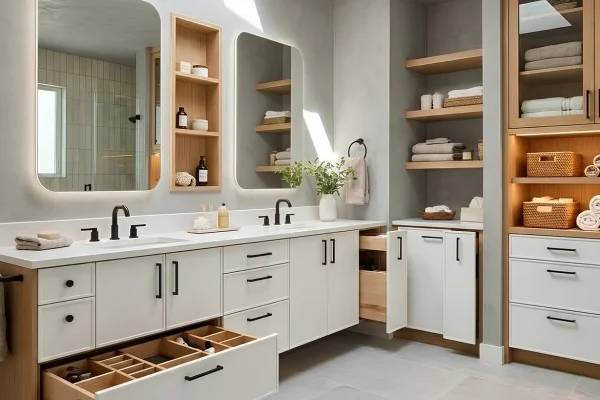
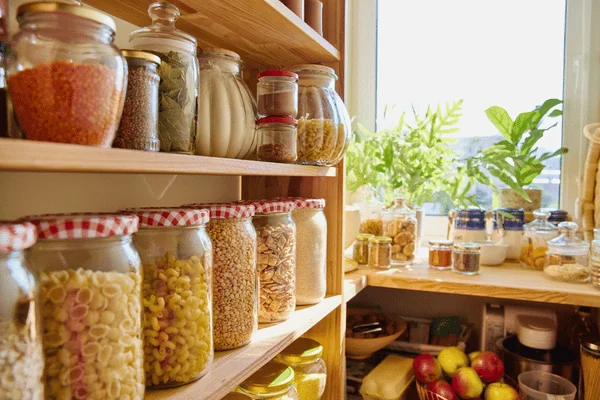
Smart storage solutions dramatically improve kitchen usability. Features like pull-out shelves, deep drawers, corner solutions, and built-in organizers help homeowners maximize every inch of space while reducing clutter and frustration.
For a closer look at storage-focused layouts, our guide on how custom pantry cabinets maximize kitchen storage covers practical ideas and real-world solutions that help homeowners get more out of their cabinets.
Comparing Cabinet Tiers: Entry-Level, Mid-Range, and Custom
Not all cabinets are built to the same standard, and understanding the differences helps set realistic expectations for both budget and lifespan. Cabinet tiers generally reflect changes in materials, construction methods, and design flexibility rather than surface appearance alone.
Entry-Level Cabinets
These typically use particleboard boxes, basic hardware, and limited finish options. They’re budget-friendly and suitable for short-term renovations or rental properties, but they usually have a shorter lifespan.
Mid-Range Cabinets
Mid-range options balance cost and performance. Expect plywood boxes, soft-close hardware, better finishes, and moderate customization. This tier offers the best overall value for most homeowners planning to stay in their homes.
High-End and Fully Custom Cabinets
Custom cabinets offer full design flexibility, premium materials, and handcrafted finishes. They’re ideal for unique layouts and long-term ownership but come with higher costs and longer lead times.
How South Shore Custom Cabinets Compare to Other Brands
When you compare South Shore Custom Cabinets vs. other brands for kitchen cabinets, you’ll notice distinct advantages and features that set us apart in the market:
- Competitive mid-range pricing
- Strong balance of engineered materials and durability
- Broad style and finish selection
- More customization than stock cabinets
- Positioned below fully custom brands but above entry-level lines
This places South Shore Custom Cabinets in a practical middle ground, offering better construction and design flexibility than stock options without the cost or lead times associated with fully custom cabinetry.
Installation, Warranty, and Professional Support Considerations
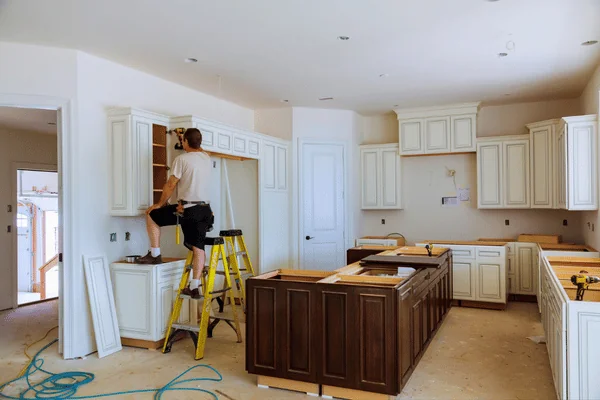
Even the most coveted must-have features can fall short if installation, warranty coverage, and ongoing support are overlooked. How cabinets are installed plays a major role in performance, durability, and satisfaction.
Why Does Professional Installation Matter?
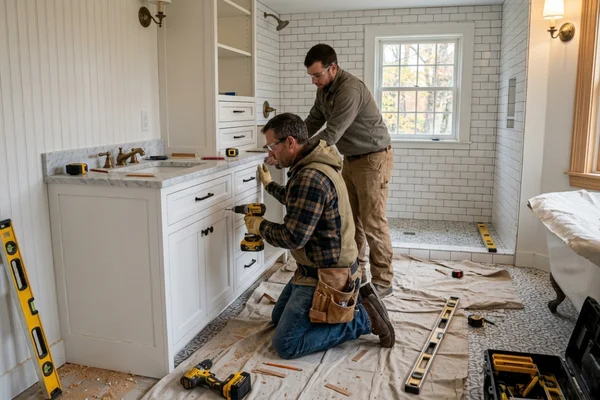
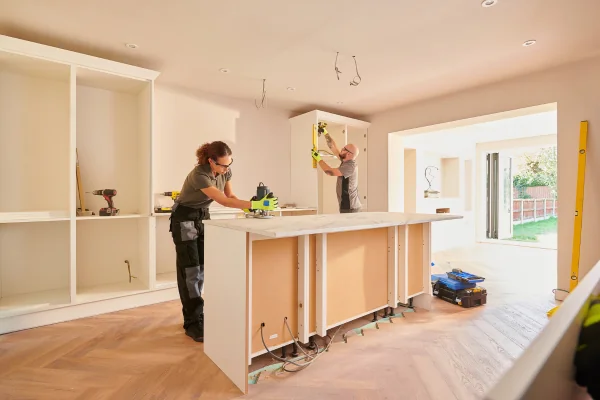
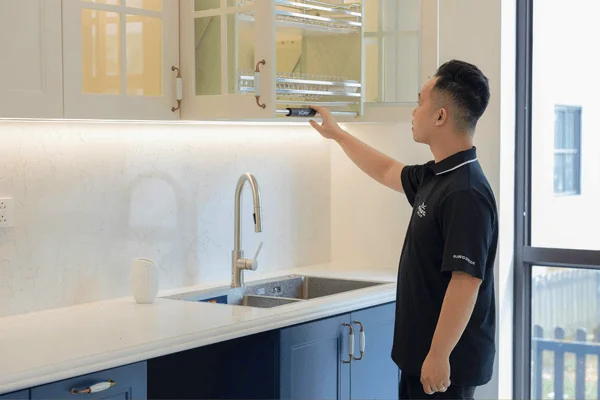
The best cabinets can still fail if they were installed poorly. Professional installation ensures proper alignment, secure mounting, and performance, especially for frameless and custom configurations.
Understanding Cabinet Warranties
Look for warranties covering materials, hardware, and workmanship. Longer warranties typically indicate higher manufacturer confidence and better long-term value.
How to Choose the Best Kitchen Cabinet Features for Your Home

Selecting cabinet features comes down to making smart decisions about where performance matters most for your household. A well-chosen cabinet package balances upfront cost with long-term durability and daily usability.
Budget vs. Performance Trade-Offs
Lower-priced cabinets often achieve cost savings through thinner materials, simpler joinery, or basic hardware. While these options may reduce initial expense, they can lead to alignment issues, worn finishes, or hardware failures over time.
Investing more in cabinet box construction, drawer joinery, and quality hardware usually results in smoother operation, fewer repairs, and longer service life. Prioritizing structural components over cosmetic upgrades helps protect your investment.
Matching Cabinet Features to Lifestyle Needs
Cabinet features should reflect how the kitchen is used, not just how it looks. Households that cook frequently benefit from strong drawer construction, durable finishes, and high weight-rated slides that handle heavy cookware. Families often appreciate soft-close hinges and organized storage that reduce wear and noise. For homes that entertain regularly, accessibility and consistent alignment across visible cabinet runs contribute to both function and appearance.
Questions to Ask Your Kitchen Cabinet Maker in Boston
Before moving forward, ask clear, practical questions to avoid surprises later. Confirm what materials are used for cabinet boxes, how drawers are constructed, and which hardware brands are included. Ask about finish durability, expected lead times, and warranty coverage. These details help set realistic expectations and ensure the cabinets selected are appropriate for your project and climate.
Final Thoughts: Investing in Cabinets That Last
High-quality kitchen cabinets are a long-term investment, not just a design decision. By prioritizing the right kitchen cabinet features, you can create a space that performs reliably, ages gracefully, and adds lasting value to your home. Thoughtful choices today mean fewer headaches, better daily use, and fewer replacements down the road.
If you’re weighing options or want reassurance before making a final decision, it can help to get expert input. Consult South Shore Custom Cabinets to evaluate cabinetbrands, compare features, and design a kitchen that fits your space, lifestyle, and goals.
Frequently Asked Questions
1. How much do kitchen cabinet features affect overall cost?
Upgrading from basic to high-quality features (like plywood and soft-close) typically adds 20% to 30% to the cost. However, this often doubles the lifespan of the kitchen, providing much better long-term value.
2. Are plywood cabinet boxes always worth the upgrade?
For most homeowners, yes. Plywood boxes provide better moisture resistance, stronger screw holding, and a longer lifespan than particleboard. If your kitchen sees heavy daily use or you plan to stay in your home, plywood construction is a worthwhile investment.
3. Do soft-close hinges and drawers really make a difference?
Beyond comfort and noise reduction, soft-close hardware reduces impact stress on doors and drawers. This helps prevent loosening hinges, cracked panels, and alignment issues, extending the life of your cabinets.
4. What cabinet features matter most for resale value?
Buyers tend to notice solid construction, smooth drawer operation, consistent finishes, and functional storage. Cabinets that feel sturdy and operate quietly often leave a stronger impression than decorative details alone.
5. How can I tell cabinet quality in a showroom?
Open drawers fully, check for dovetail joinery, inspect box materials, and feel how doors close. Quality cabinets feel solid, move smoothly, and show attention to detail even in hidden areas.
6. Is it better to upgrade cabinets or accessories later?
Structural features like box construction and drawer joinery should be chosen upfront. Accessories such as organizers or lighting can often be added later, but upgrading core construction after installation is difficult and costly.