Skip to content
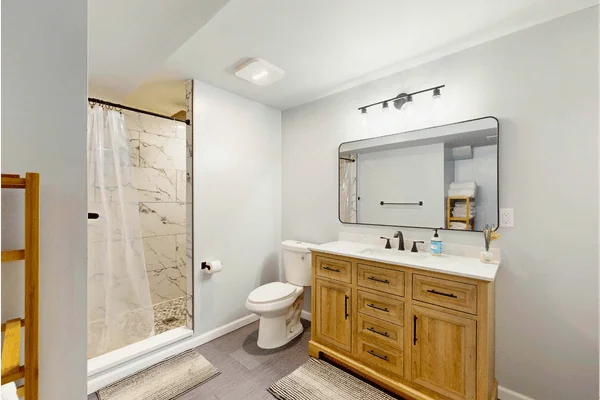
A creative and affordable way to update your bathroom without going over budget is to use a kitchen cabinet as a bathroom vanity. It’s a smart way to repurpose existing furniture, add charm, and personalize your space. With a few simple modifications—mainly addressing plumbing and moisture—you can give your bathroom a stylish upgrade that appears custom-made.
Let’s walk through how to transform a cabinet into a beautiful, functional bathroom vanity that feels like it was designed just for your home. Here’s what you should know about finding the best cabinet maker in Boston.
Can You Really Use a Kitchen Cabinet as a Bathroom Vanity?
Yes, you absolutely can! Repurposing a cabinet into a bathroom vanity is both budget-friendly and design-savvy. Kitchen cabinets are built to be sturdy and spacious, which makes them an excellent foundation for a vanity. With the right finish, sealing, and a bit of creativity, your bathroom can gain a statement piece that’s both practical and eye-catching.

This project also gives you more control over the look, from choosing finishes to picking hardware that matches your style. Whether you love farmhouse warmth, modern simplicity, or a vintage touch, converting a cabinet into a vanity lets you make it your own.
Step-by-Step Guide: How to Turn a Kitchen Cabinet into a Bathroom Vanity
Turning a cabinet into a bathroom vanity doesn’t require professional woodworking experience—just patience, the right tools, and careful planning. Here’s how to do it from start to finish.
Step 1 – Choose the Right Kitchen Cabinet
Start with a solid, well-built cabinet. Consider the size, style, and material. You’ll want something moisture-resistant, especially if your bathroom is small or lacks ventilation. A classic wood or plywood base works best since it can handle modifications.
Also, think about storage. Do you want drawers, open shelving, or both? A cabinet that balances looks with function will make your vanity not just beautiful but practical.
Step 2 – Modify Cabinet Dimensions (If Needed)
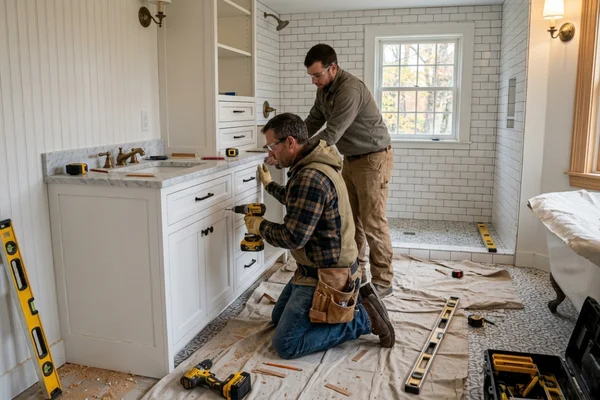
Most kitchen cabinets are taller and deeper than standard bathroom vanities. You may need to trim the height or adjust the depth to fit comfortably in your space. Measure carefully before cutting—account for plumbing, countertop overhang, and door swing.
If you’re converting a cabinet into a bathroom vanity for the first time, this step is where professional input can save you time and mistakes. A professional can ensure precise cuts and help customize your cabinet for a perfect fit.
Step 3 – Cut Openings for Plumbing
Next, measure and mark where your pipes will connect through the cabinet’s back or bottom. Use a jigsaw or hole saw to make clean cuts, double-checking alignment before you begin. This step requires patience—mistakes here could weaken the cabinet structure.
When in doubt, get input from a cabinet and vanity professional who can guide you on proper spacing and reinforcement.
Step 4 – Add a Countertop and Sink
Once your cabinet is ready, it’s time to make it look like a true vanity. Choose a countertop that complements your bathroom’s design—granite, quartz, or marble are durable and moisture-resistant choices.
Attach the countertop securely with waterproof adhesive, then position your sink. Vessel sinks look especially striking on converted cabinets, but under-mount or drop-in options also work well. Just be sure the sink’s size suits the cabinet’s proportions and plumbing cutouts.
Step 5 – Seal and Protect the Cabinet
Bathrooms are often humid, so sealing your cabinet is essential. Apply a waterproof sealant, paying close attention to seams, edges, and corners. This prevents warping, swelling, and damage over time.
If you’re unsure which finish to use, a cabinetmaker in Boston, MA can recommend the best protective coatings for your specific materials and local climate. A quality seal keeps your kitchen cabinet vanity protected for years of daily use.
Step 6 – Finish with Hardware and Details
The finishing touches are what bring your vanity to life. Choose hardware that enhances your bathroom’s theme—sleek metal pulls for a modern look, or antique brass knobs for a vintage feel.
Don’t forget other details, such as faucets, trim, and lighting. Even a coordinating mirror or wall sconce can tie the entire design together and make your DIY vanity look custom-built.
Benefits of Repurposing a Kitchen Cabinet as a Bathroom Vanity
Converting a kitchen cabinet into a bathroom vanity is about more than saving money—it’s about creativity and sustainability. Here’s why it’s worth doing:
- Budget-friendly: You’ll save significantly compared to buying a new vanity.
- Custom design: You can match finishes, colors, and styles to your home’s décor.
- Eco-conscious: Repurposing reduces waste and gives furniture a second life.
- Ample storage: Kitchen cabinets often provide more storage space than standard vanities.
- Unique look: No two conversions are exactly alike—you’ll have a one-of-a-kind piece.
Whether you’re updating a guest bath or transforming your master suite, this project combines practicality with personality.
When to Hire a Professional Cabinetmaker
DIY projects are rewarding, but sometimes, it’s best to bring in an expert. Consider hiring a bathroom cabinetmaker if:
- You need precise cuts or custom design work.
- You want to refinish or resize a solid wood kitchen cabinet.
- Plumbing adjustments feel too complicated.
- You want a professional-quality finish that lasts.
A skilled cabinetmaker in Boston, MA, can transform your concept into a stunning, durable vanity tailored to your space and style.
Design Inspiration: Styles That Work Well
The beauty of turning a cabinet into a vanity is that you can adapt it to nearly any design style. Here are three timeless looks to inspire your project: modern farmhouse, contemporary, and vintage designs. Each brings a unique charm that can elevate your bathroom’s look.
Modern farmhouse
Warm, rustic, and inviting—modern farmhouse design is perfect for a cozy bathroom. Use reclaimed wood finishes, matte black hardware, and soft neutral colors. Pair your vanity with a shiplap wall or a vessel sink to complete the look.
Contemporary
If you love clean lines and simplicity, go for a contemporary design. Choose a glossy finish, minimalist handles, and a solid-surface countertop. Adding a frameless mirror or modern lighting can create a sleek, spa-like atmosphere.
Vintage
For a touch of charm and nostalgia, vintage-inspired vanities are unbeatable. Distressed finishes, antique brass hardware, and classic faucets can make your vanity feel timeless. A round mirror or floral wallpaper backdrop enhances that old-world elegance.
Get Custom Bathroom and Kitchen Cabinet and Vanity Solutions in Boston, MA

Whether you’re refinishing an old kitchen cabinet as a bathroom vanity or designing something completely new, local professionals can make a world of difference. Working with an experienced bathroom ad kitchen cabinetmaker in Boston, MA, ensures your vanity fits perfectly, functions smoothly, and complements your bathroom design.
Transform your kitchen or bathroom with expert craftsmanship. Our cabinetmakers in Boston, MA, specialize in creating beautiful, durable custom bathroom and kitchen cabinetry and vanities for every style.
With the right guidance and a little imagination, you can enjoy a vanity that’s both functional and one-of-a-kind—a true reflection of your home’s personality.
Frequently Asked Questions
1. What type of kitchen cabinet works best for a bathroom vanity?
Choose a sturdy, moisture-resistant cabinet—plywood or MDF are great options. Base cabinets with drawers offer plenty of storage for toiletries, while wall-mounted ones save space. Just make sure the size and design complement your bathroom layout.
2. How do I ensure the cabinet is waterproof?
Use a primer and paint designed for high-moisture areas, then apply a waterproof sealant over all exposed surfaces. Pay extra attention to edges and seams. You can also add a waterproof mat inside drawers for extra protection. Regularly check for wear and reapply sealant as needed to maintain protection.
3. Can I use a microwave cabinet for a vanity?
Yes, as long as it’s strong enough to support a sink and countertop. You’ll need to modify it for plumbing and reinforce it for moisture resistance. With proper sealing, it can be a creative and functional option.
4. Will I need additional plumbing?
Most likely. Since kitchen cabinets aren’t designed for bathroom plumbing, you’ll need to add or adjust water lines and drainage. It’s a good idea to consult a plumber to make sure everything is properly installed and up to code.
5. How do I match the cabinet color with my bathroom décor?
Examine your existing palette, including tiles, wall paint, and fixtures. Choose a cabinet color that either blends in for harmony or contrasts for a bold statement. Test samples under your bathroom lighting before making a commitment. Don’t forget to factor in the hardware; coordinating knobs and handles can tie everything together beautifully.
6. Should I DIY or hire a professional?
If you’re handy and confident with basic carpentry, you can handle this project yourself. But for a flawless finish or intricate design, hiring a cabinet and vanity expert ensures durability, beauty, and a polished result.